
CoachSuit blog
Published August 11, 2026
Unlock Premium Pricing: Why Your Own Standalone App Explodes Perceived Value (and Generic SaaS Doesn't)
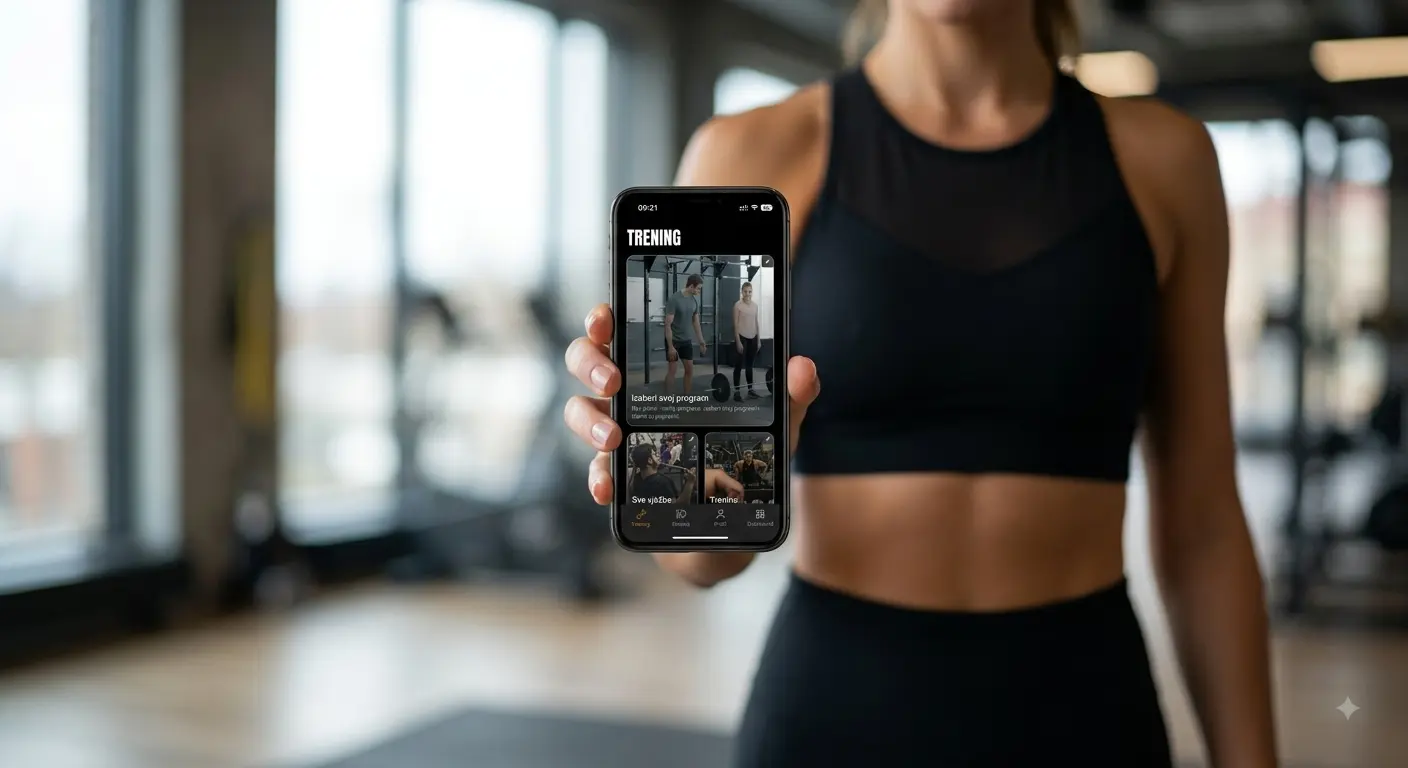
What separates the online coach charging $50 a month for a standard PDF plan from the coach commanding $500+ a month for a high-accountability premium experience?
It’s rarely a vast difference in physiological knowledge or exercise programming. The difference lies almost entirely in perceived value. In the highly visual and competitive world of online fitness coaching, your digital presence is your perceived value.
If you are delivering premium coaching through a generic third-party app with shared branding, you are capping your income and confusing your clients. In this article, we’ll explore why owning your standalone, white-label fitness app is the key to elevating your brand authority and unlocking premium pricing tiers.
The Generic Saa Authority Trap
When personal trainers launch their online business, they often default to using a monthly SaaS platform like Trainerize, My PT Hub, or TrueCoach. They work, but they present a massive branding roadblock.
The Confusion of Co-Branding
When your client downloads a shared app, they see the SaaS provider’s logo first. Perhaps you can add your logo as a small icon in the corner, but the user is still interacting with “their” platform, not yours. This co-branding dilutes your authority and tells the client you are just another user of their software, rather than an exclusive business with its own technology.
The Perceived “Standard” Experience
Consumers have a mental price bracket for services delivered through standard apps. They think, “This is the same app my friend’s $75/mo coach uses.” If you try to charge $400/mo within that same digital experience, the client will immediately perceive an imbalance between what they pay and what they receive.
Your Best Work Builds Their Brand
Every time a client loves using the shared app—every time they track a PR or hit a nutrition goal—their positive reinforcement is directed toward the software vendor’s brand, not yours. You are effectively paying a monthly fee to build someone else’s equity.
Why a Standalone App Explodes Brand Authority
Transitioning to your own white-label app on the App Store transforms the user experience from transactional to transformational. Here’s what changes when your environment becomes yours.
Standalone App Store Credibility
When a potential client searches your business name on the Apple App Store or Google Play Store and finds a dedicated application with your logo, your credibility rises quickly. It signals that you are not a side-hustle freelancer. You are a professional operation serious enough to invest in technology. This credibility gives you room to begin the pricing conversation much higher.
An Exclusive, Vetted Environment
A standalone app creates a digital velvet rope. The moment the client opens your app, they are immersed in your brand environment: your colors, your voice, and curated content you chose. That exclusivity justifies a premium rate because the client feels they are getting access to something private and valuable, not just another login for a shared tool.
Higher Retention Through Trust
Premium pricing is sustained by retention. Clients are more likely to stick with a premium service when they feel it is an elite investment in themselves. Owning the app builds that trust. When the client sees your app icon every day, your system stays present and reinforces their confidence in the process.
- Co-branded or watermarked experience versus 100% your brand and logo
- Downloading a shared app versus downloading from your own app store listing
- Client perception shifts from “Trainer platform” to “Business system”
- Perceived value moves from $50-$150 brackets toward $300+ brackets
The Economics of Perception: From $100 to $400
Let’s make this practical. Imagine two coaches with identical expertise.
Why the math works
By owning the environment, Coach B has increased income per client by a dramatic margin simply by shifting how the value is delivered. The expertise is the same. The perceived value is different.
- Coach A (Generic App): Delivers customized programming through a shared platform. Maximum perceived value is likely around $150/mo. If Coach A tries to charge $300, the client can compare side-by-side and shop other coaches delivering similarly branded experiences for around $125.
- Coach B (CoachSuit Owned App): Delivers the exact same customized programming through a private, black-and-gold branded experience. Perceived value begins around $300/mo, so charging $400/mo becomes easier to justify because there is no direct digital comparison. Coach B is not one of many trainers on a platform; they are the sole proprietor of an exclusive system.
Conclusion: Own the Experience, Command the Price
Relying on generic apps caps your growth. If you are charging high-ticket rates for high-accountability coaching, your delivery environment must match the investment your client is making.
Move your clients out of co-branded software and into your own standalone experience. Your branded app signals authority, credibility, and exclusivity—the three pillars that help you stop competing on price and start commanding the premium rates you deserve.
Elevate Your Coaching Brand with CoachSuit
With CoachSuit, you get a complete white-label solution: your standalone iOS and Android application on the App Store under your name, running on a lifetime license with zero monthly fees.
If you want to see how this works for your specific coaching model, explore CoachSuit for personal trainers and CoachSuit for gyms.
Final takeaway
Premium coaching is not just built in your programming. It is built in the client experience you deliver every single day.
Own the app environment, elevate your brand authority, and make premium pricing feel obvious because the product looks and feels like it belongs to your business.
Premium pricing app FAQ
- Does a branded app really change how much clients are willing to pay?
- Yes. When the client experience matches your brand and feels exclusive, the client’s perceived value rises. That makes higher pricing easier to justify even when the coaching quality is already similar.
- What is the biggest downside of using a generic coaching app?
- Co-branding. Clients may associate outcomes with the platform vendor rather than your business, and they can also compare pricing across coaches using the same digital experience.
- How do I position the move to a standalone app without losing clients?
- Lead with the client benefit: clearer progress tracking, faster workout access, and better feedback flow in one private place on their phone. Then onboard them with simple steps so they adopt quickly.
- Is a white-label app enough to support premium retention?
- It helps, but retention still depends on your offer and onboarding. A branded app makes it easier for clients to trust the system and stay consistent, which supports long-term engagement.
- Is CoachSuit a good fit for both personal trainers and gyms?
- Yes. CoachSuit supports a white-label branded app experience for personal trainers and gyms, so your member or client journey stays aligned with your business identity.
Book a live demo with CoachSuit today
See how CoachSuit helps you own the client experience with a white-label fitness app and supports your premium pricing conversation. Book a free demo.
Book a live demo